|
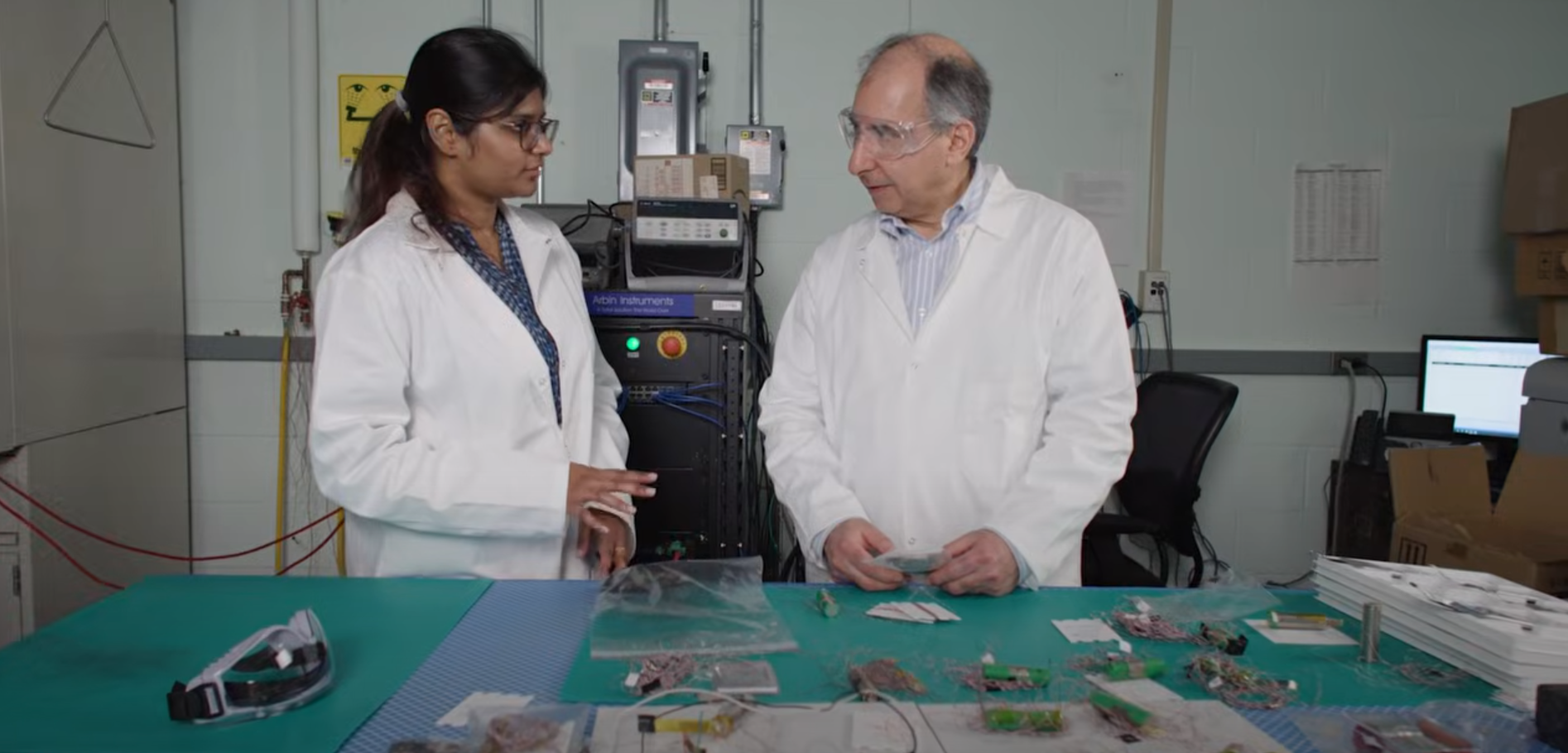
A demonstration of strain-sensing technology for battery safety was given by Dr. Michael Azarian and Ph.D. candidate Sahithi Maddipatla. The project was recently highlighted in the UL Research Institutes’ Stories of Impact Series. Sahithi is the lead student researcher on the project, contributing to the design, execution, and analysis of the study. Supported by Lab Director Dr. Robert Utter, the research focuses on using strain-sensing technology to catch internal gas buildup before it triggers thermal runaway, paving the way for safer consumer electronics and electric vehicles. This project is led by Dr. Michael Azarian, Dr. Michael Osterman and Dr. Diganta Das.
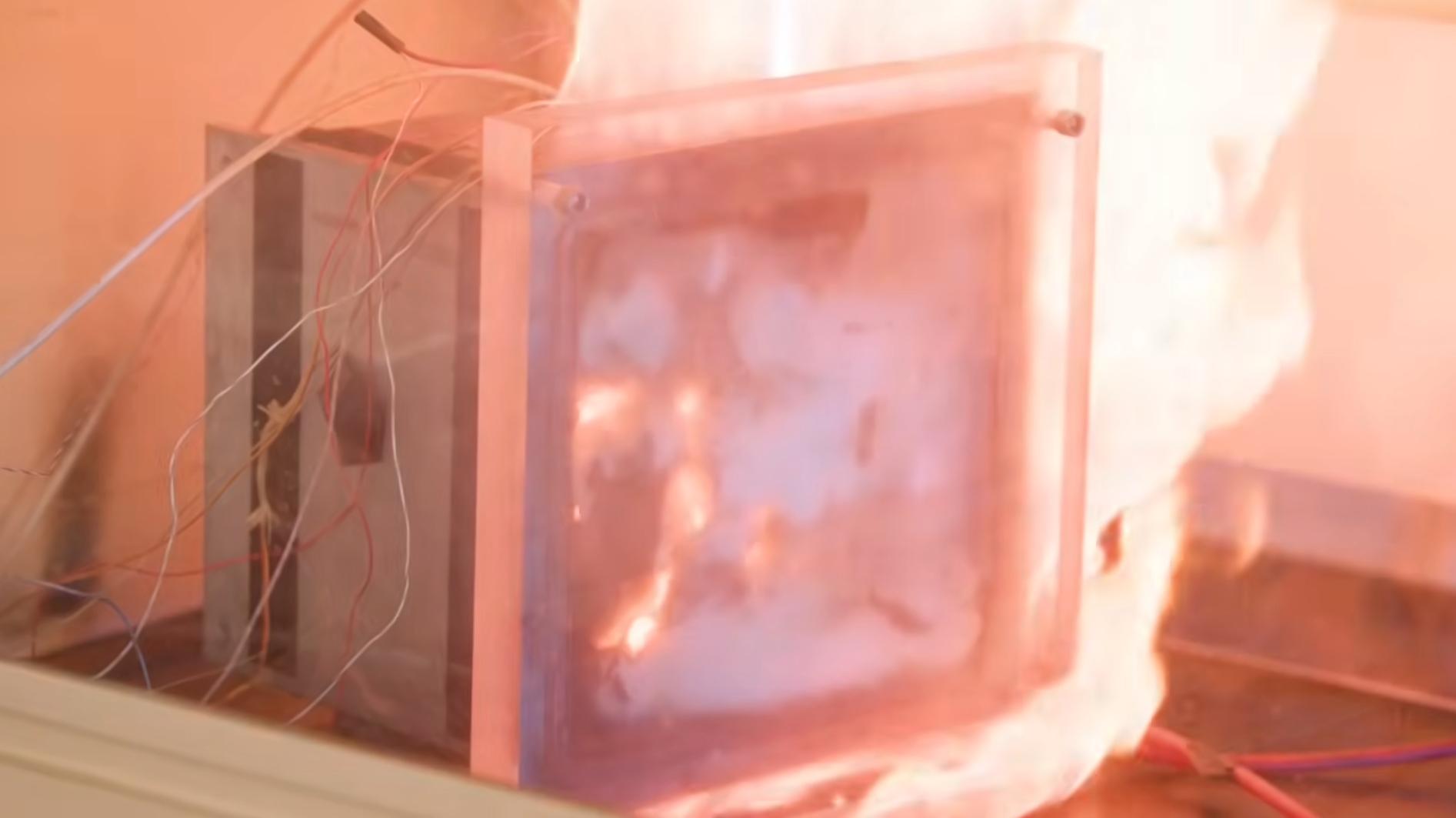
The project focuses on improving lithium-ion battery safety through the early detection of gas generation, a key warning sign that can precede thermal runaway. As lithium-ion batteries continue to power technologies across consumer electronics, electric vehicles, aerospace systems, and energy storage infrastructure, identifying early indicators of failure has become increasingly important for preventing hazardous events and improving system reliability.
The project explores the use of strain-sensing approaches to detect internal gas generation before it leads to more severe battery failure. By capturing mechanical changes associated with gas buildup, the research aims to provide an earlier and more practical pathway for identifying cells at risk. This work aligns closely with CALCE’s broader expertise in reliability science, failure analysis, electronics safety, and lifecycle engineering.
The project is supported through UL Research Institutes’ Discoveries in Safety Grants program, which was launched in 2023 to fund research addressing pressing safety and sustainability challenges. The program provides approximately $7 million in grant funding over three years to support science-backed, long-term solutions in areas such as battery safety, materials sustainability, toxicology, and emissions from hazardous events.
Through this collaboration, the CALCE team is contributing to research aimed at making battery-powered systems safer and more dependable. The project also reflects the importance of collaboration between university researchers and safety science organizations in translating early-stage research into practical tools for risk detection and prevention.
CALCE’s involvement in this UL Research Institutes initiative underscores the center’s continued leadership in advancing reliability-focused research for emerging technologies and supporting innovations that help engineer a safer, more sustainable world.
Related research papers can be found on CALCE’s battery publications page.
For information about CALCE’s broader work in battery safety research, contact Prof. Michael Pecht.
For additional information about this project and related work, contact Dr. Michael Azarian, Dr. Michael Osterman or Dr. Diganta Das.
June 30, 2026
|